

Edentulism is one of the most common dental issues, plaguing millions of people worldwide.
Edentulism is the term used to describe missing teeth, either one, or a few missing teeth is described as partial edentulism whereas complete edentulism refers to having lost all the teeth. In explaining the condition, you may describe someone as being as being partially or completely ‘edentulous’.
With a number of causes for people suffering from edentulism, there are a range of treatment options for those seeking to solve their teeth-related woes and return their smiles to their former glory.
At The Windsor Centre for Advanced Dentistry, our team is highly experienced in dealing with edentulism, along with a host of similar tooth-related issues.
So if you’re suffering with edentulism and would like to work on finding a solution, get in touch with the team today.
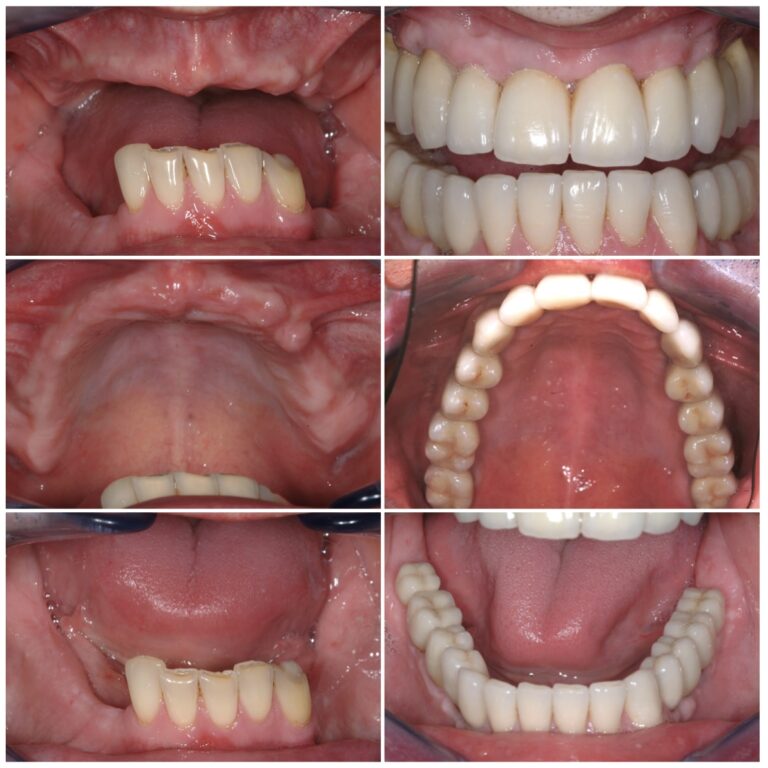
What are the causes of edentulism?
Edentulism can occur due to a number of factors, which most commonly include:
Dental disease (periodontal disease & tooth decay)
The most common reason for the loss of teeth is tooth decay and gum disease (periodontal disease). Obviously the best way to prevent this is to look after your teeth and gums well maintaining good oral hygiene – brushing and flossing your teeth regularly. However, if you are suffering from tooth decay or gum disease, then today’s modern Dentistry can really help. Click on the links above to find out more.
Trauma and fracture
Tooth loss can also occur as a result of a sports-related injury, a fall or even an assault. It’s also not uncommon for someone to damage their teeth when they are young through an accident and later on when they reach adulthood the tooth eventually fails. In addition, teeth that have had extensive decay, a lot of dental work and have been heavily restored with large fillings, root fillings and posts can eventually be more susceptible to structural fatigue fracture as a result of the compromised remaining sound tooth structure.
Being born without teeth
Hypodontia is a congenital condition where people are born without one or more of their permanent teeth. It’s not uncommon for people today to have one or more wisdom teeth that is congenitally missing. However, sometimes people are missing a lateral incisor and/or premolar tooth. In the majority of these cases, they are hopefully picked up early and can be largely corrected with orthodontic treatment and tooth transplantation. But sometimes resin bonded bridgework or dental implants are required.
Anodontia is a rare congenital condition where people are born without any teeth.
How to prevent edentulism
In the case of those who are born without teeth, this obviously can not be avoided. The same could be said for those who lose teeth in unexpected accidents – none of us can predict the future, though being careful helps!
However, for those who do not practise good dental hygiene, replacing bad habits with good ones as soon as possible (ideally in the early stages of gum disease or before it takes hold at all) can help prevent tooth loss and boost a person’s oral and general health immensely.
Brushing your teeth at least twice a day correctly (your dentist or dental hygienist can show you how) with an electric toothbrush and dentist-recommended toothpaste is a great place to start. But adding flossing, interdental brushes and use of mouthwash can improve things further. We now know that oral health is strongly linked with general health and periodontal disease also increases your susceptibility to cardiovascular disease (i.e. heart disease & stroke) as well as diabetes and Alzheimer’s disease. Oo it’s really important to maintain the best oral hygiene and health and look after our teeth and gums the best we can!

What are the treatment options for edentulism?
Thanks to advancements in modern dentistry, there are now several options available to those seeking to replace lost teeth rather than just removable dentures. These include:
Concerned about your oral health status? Speak with The Windsor Centre for Advanced Dentistry
If you’re dealing with one or multiple missing teeth and would like to finally turn your smile around, speak to the team at The Windsor Centre for Advanced Dentistry.
With years of experience in helping patients solve their dental worries – including edentulism and similar afflictions – our experts are the go-to professionals for treatments that will give you the smile you always wanted.
