

Expertise and experience you can trust
Performing ultra high-end dental treatment since 1994
Internationally Recognised
For our expertise and outstanding results
State of The Art Facilities
To help us deliver cutting edge treatments
Complex Cases
Highly experienced in managing complex cases
LIFE CHANGING DENTISTRY
Composite Bonding in Windsor
Are your teeth damaged, misshapen or stained beyond repair? Is the state of your teeth affecting your smile and confidence? Do you live in the Berkshire area? If the answer to any of the above is yes, you could be an ideal candidate for our composite bonding in Windsor.
The Windsor Centre for Advanced Dentistry – and world-renowned dental specialist Dr Tidu Mankoo – are here to offer the tools and techniques to give your smile a new lease of life!
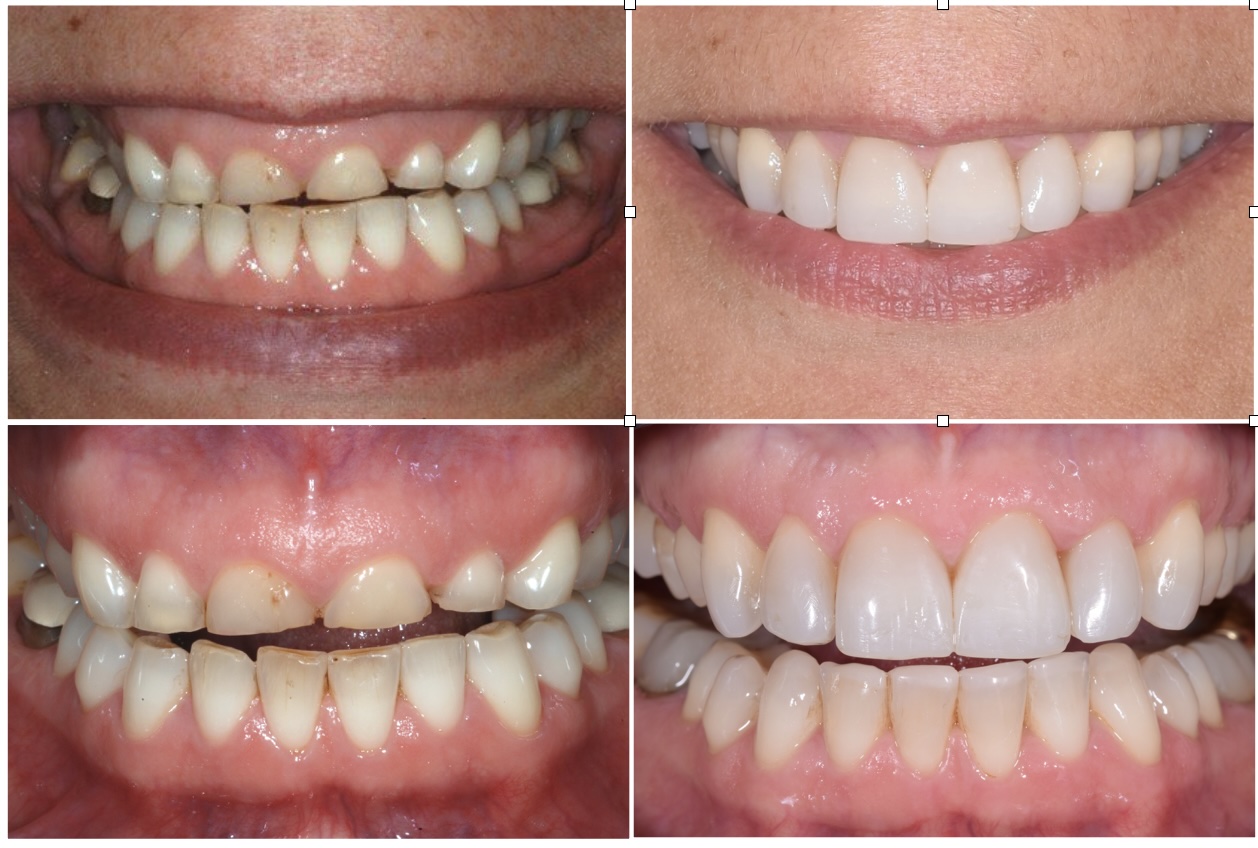
What is composite bonding?
Composite bonding (also known as ‘dental bonding’) is a method used by dentists in smile makeovers to restore the natural appearance of worn teeth plagued with issues like cracks and chips (more on these below).
A composite resin is applied to the affected tooth, which is carefully evened out and shaped so it resembles the original, undamaged tooth.
The colour of the resin is also carefully manufactured to match the precise colour of your existing teeth. When done right, you’d struggle to tell the difference!
What does composite bonding fix?
Composite bonding is used to solve a plethora of tooth issues that can cause both aesthetic and functional concerns. These include teeth that are:
- Chipped
- Cracked
- Gapped
- Discoloured
- Decayed
- Crooked
- Misshapen
- Missized
The procedure can be used to fix one or multiple teeth in the patient’s mouth relatively quickly, making it an ideal alternative to more invasive treatments. The result is a completely fresh, rejuvenated smile you’d be proud to show off to your friends and family.

How does composite bonding work?
Here’s a general step-by-step guide to what to expect in the composite bonding process:
Step 1 – Your initial consultation will confirm whether you require composite bonding. After this, your dentist will book you in for the session.
Step 2 – Your dentist will gently clean your teeth to remove any outstanding plaque or debris that could interfere.
Step 3 – The dentist then preps the tooth for the resin by roughening the natural tooth enamel. This is done with an acidic solution – don’t worry, it’s completely harmless.
Step 4 – A liquid bonding agent is applied to the tooth, to help the resin stick.
Step 5 – Your dentist applies the composite resin layer by layer. This is done to increase the strength of the resin as well as make it easier to shape.
Step 6 – Once shaped, the dentist will harden the resin using a special light. This only takes a few seconds each.
Step 7 – Finally, the resin is polished to offer the tooth a smooth and clean sheen in the finishing touches. And that’s it!
We’ll cover any immediate aftercare tips you need to know at the end of your appointment, so you can maintain your newfound smile for years to come.

What are the benefits of composite bonding?
- It’s fast - Aside from special circumstances, each tooth can be completed in a matter of minutes.
- It’s pain-free - Composite bonding doesn’t hurt at all. At most, your teeth will feel sensitive afterwards, but this soon goes away.
- It’s cost-effective - Compared to treatments for similar issues, it’s a much cheaper alternative.
- Versatility - It can be used to treat a variety of tooth-related issues (see above).
- Uniformity - It’s an easy way to give your smile the consistency it needs.
Why choose The Windsor Centre for Advanced Dentistry for composite bonding?
If you live in the Windsor area and have struggled to find a dentist who can meet your needs, the Windsor Centre for Advanced Dentistry is here for you.
Our team is comprised of dedicated dental professionals, each with their own unique experience and qualifications, so we’ll always have the answers to your dental queries.
If you want to work with the best to improve your smile, you needn’t look further than our very own Dr Tidu Mankoo. The former President of the European Academy of Esthetic Dentistry and a world leader in aesthetic, restorative and implant dentistry, you can be sure you’ll be in the most capable hands for your cosmetic bonding in Windsor.
Reach out to the team today and begin your journey towards the smile you deserve.

Composite Bonding by Dr. Tidu Mankoo
Are you looking for composite bonding? If so, you can benefit from the expert, thorough, award-winning treatment from world-renowned dentist Dr Tidu Mankoo and his team.
View our Meet the Team page to find out more about the credentials of Dr Mankoo and the rest of the specialists here at The Windsor Centre for Advanced Dentistry.


 Trustindex verifies that the original source of the review is Google.
 Trustindex verifies that the original source of the review is Google.
 Trustindex verifies that the original source of the review is Google.
 Trustindex verifies that the original source of the review is Google.
 Trustindex verifies that the original source of the review is Google.
 Trustindex verifies that the original source of the review is Google.
 Trustindex verifies that the original source of the review is Google.
 Trustindex verifies that the original source of the review is Google.
 Trustindex verifies that the original source of the review is Google.


Get in touch with our specialist team
Frequently Asked questions
Composite bonding shouldn’t hurt at all. It’s a non-invasive procedure that’s designed to renovate your smile while causing as little disturbance or discomfort to your original teeth as possible.
As mentioned above, you may feel some slight sensitivity after your procedure, but that’s all. Your dentist will give you all the information you need to minimise this sensation until it fades, so you can start enjoying your smile to the fullest.
For more information, get in touch with the Windsor Centre for Advanced Dentistry today – we’d be happy to help!
On average, composite bonding generally lasts between five and seven years. However, it can last up to a decade if you give your teeth the TLC they deserve with a proper oral hygiene regimen!
Regular brushing and flossing will prolong the life of your composite bonding, as well as avoid grinding your teeth or doing anything else that could cause them damage.
Don’t overdo it on any substances that could stain your teeth, either. Red wine, coffee and certain curries are all fine in moderation.
The cost of our composite bonding in Windsor will differ from patient to patient.
Specifically, the price will come down to the current state of your teeth, the level of damage that must be repaired and the number of teeth being covered by the resin.
For a more accurate picture of what you can expect to pay, the best course of action is to book yourself in with a member of the team.
Fillings are mostly used to fill gaps caused by cavities, in which the structural integrity of the tooth is at stake. Whereas composite bonding is a more aesthetic-focussed approach covering the majority of the tooth’s surface.
The materials used in each procedure differ as well. While composite bonding uses a composite resin, fillings can be completed using porcelain, amalgam or even gold.
Wondering whether you need composite bonding or a filling? We’ll fill you in – get in touch with the team today.