Expertise and experience you can trust
Performing ultra high-end dental treatment since 1994
Internationally Recognised
For our expertise and outstanding results
State of The Art Facilities
To help us deliver cutting edge treatments
Complex Cases
Highly experienced in managing complex cases
Periodontist in Windsor
If you suffer from periodontitis, otherwise known as periodontal disease or ‘gum disease’, you will require some type of periodontal treatment from your dentist. If left untreated, periodontitis can cause bone loss, gum pocketing, gum recession, tooth loosening and tooth drifting. Ultimately it leads to losing your teeth.
Obviously the first line defence is prevention, i.e. good oral hygiene and dental plaque control with regular tooth brushing using the correct technique, flossing and having regular check-ups with your dentist and visits to the dental hygienist to keep your teeth and gums in optimum condition.
The main periodontal treatments are firstly teaching you optimal home dental care and oral hygiene measures, and to quit and avoid smoking. This is in combination with thorough professional treatment with the dental team involving deep cleaning, scaling, root planing and in more severe cases antibiotics are also prescribed to help eradicate infection in the gums. In more advanced cases some surgical periodontal treatments may be required.
What is GUM disease?
Periodontal disease is commonly known as gum disease. It is a widespread health problem estimated to affect up to half of the adult population. The disease destroys the healthy gum attachment to the roots of the teeth, leading to gum infection, gum pocketing and recession, bone loss around the teeth, and halitosis (bad breath). If untreated it will lead to tooth loosening, drifting, and ultimately tooth loss. Smoking is known to be a significant factor in increasing the severity of the damage caused by the disease and also the susceptibility to the disease.
More seriously there is now clear evidence of a link between periodontal disease and systemic diseases such as cardiovascular (heart) disease, stroke, Alzheimer’s disease and diabetes. So it is essential to ensure that our mouths are healthy and our teeth and gums are maintained in optimum condition. Discover our full guide to periodontal disease.

Chronic periodontitis
Patients who’ve been dealing with periodontal disease symptoms for some time may be suffering from chronic periodontitis. This refers to the long-lasting presence of periodontal disease where causes and symptoms may not have been adequately treated, leading to a prolonged, slowly worsening condition.
Early on, symptoms may be mild, which is why chronic periodontitis is often missed or dismissed. But picking it up early and treating it is the best way to stop it and reverse any effects, hence the importance of regular dental check-ups and hygiene visits.
Ignoring chronic periodontitis could lead to advanced or ‘aggressive’ periodontal disease, as well as a more serious impact on your general systemic health.
Plastic periodontal surgery (mucogingival surgery)
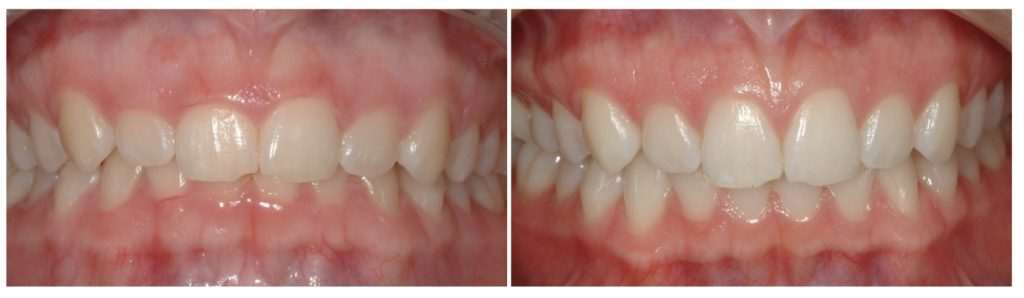
The most common forms of plastic periodontal or mucogingival surgery are root coverage and crown lengthening. Root coverage procedures are performed to correct gum recession whereas crown lengthening procedures are usually performed when there is an excess of gum on a tooth or several teeth in the smile creating a ‘gummy smile’.
Root coverage for gum recession
Root coverage surgery is performed to correct gun recession and usually involves a surgical procedure to move the gum down to cover the exposed root surface for a tooth or teeth along with some gum grafting taken from the palate (roof of your mouth) or using animal derived tissue replacements.
Root coverage can be used to treat and correct localised gum recession on single teeth as well as generalised gum recession across several teeth.


Crown lengthening for excess gum
Crown lengthening usually involves a small surgical procedure to remove some of the gum and sculpt the underlying bone to create better tooth proportions and reduce an excess of gum or ‘gummy smile’.
WHAT OUR PATIENTS SAY
“I was just so down about the way my teeth looked. Every time I glanced in the mirror I thought they looked horrendous and it had got to the stage where I covered my mouth with my hand when I spoke. I hated pictures of myself smiling and had become incredibly self-conscious. You get paranoid, imagining all the time what people are thinking when you speak or smile.
I came across the Windsor Centre for Advanced Dentistry on the internet. I looked at the case studies and could really relate to them. When I saw the before and after shots of patients they’d treated I just thought ‘wow’ – if they could do that for me it would be fantastic. The treatment spanned two years but once on the road I never looked back. The most memorable moment was relatively early on, when I had the first temporary bridge fitted; even then my teeth looked a hundred times better than before and I could already see what a dramatic transformation there was going to be. I was able to start smiling again.
What especially impressed me was their professionalism and friendliness. Everyone made me feel so at ease and the atmosphere was totally relaxed and calm. It sounds odd, but it was actually a lovely place to be! And Dr Tidu’s skill is quite exceptional. I’d rung around other dental specialists before choosing his practice but none were willing or had the expertise to take on my case. I felt quite desperate before and I worried about the future, but having the work done has been so liberating and it’s enabled me to get on with my life.”- Katherine (38).
Advanced periodontal disease treatment
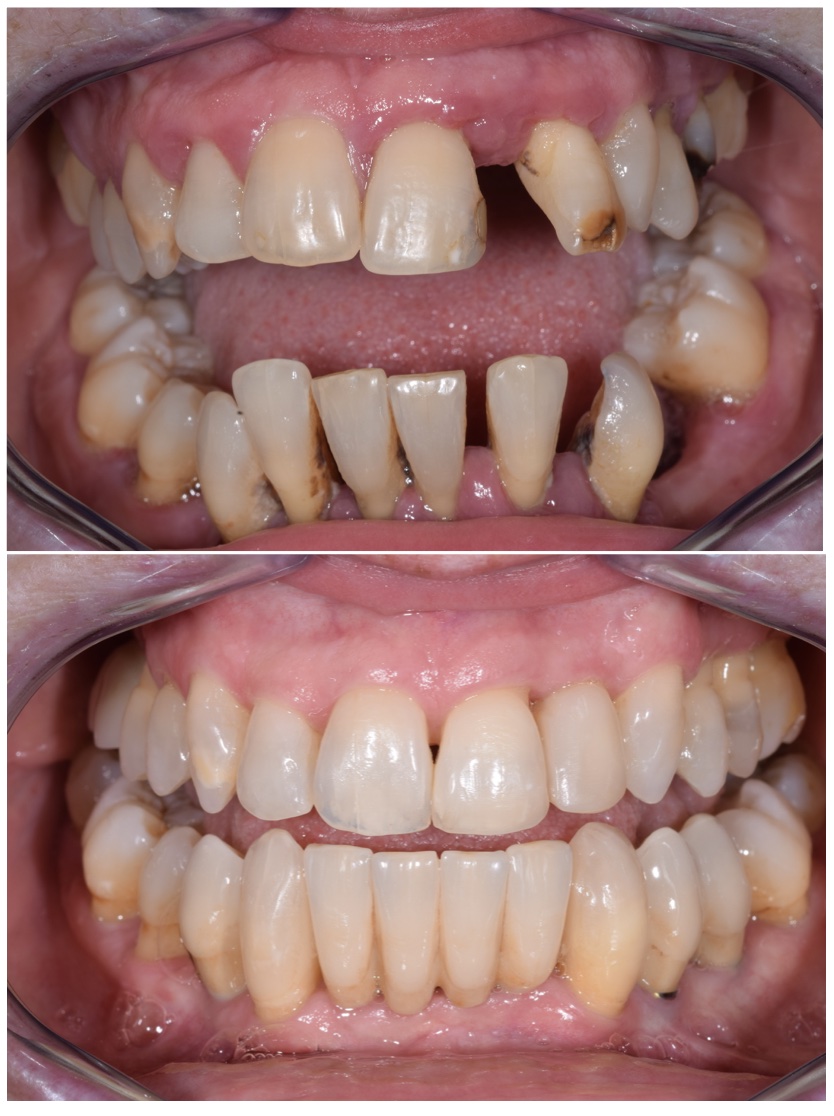
Advanced periodontal disease often leads to the loss of many teeth and leaves sufferers with severely compromised function and aesthetics, as well as affecting their general health and quality of life. With all dental patients, it is a matter of assessing the problem and providing the right treatment plan.
Windsor Centre For Advanced Dentistry carefully plan periodontal treatments often using an interdisciplinary approach involving periodontal treatment, orthodontic treatment, and restorative treatment. Often dental implants and crowns are used to rebuild and regenerate the gum and bone. Explore our case studies that describe how the periodontal procedure works.
Gum disease symptoms
If you are experiencing gum disease symptoms it is important that you contact your dentist as soon as possible to prevent the problem from becoming worse.
Symptoms include:
-
– Swollen or puffy gums
-
– Unusually red or purple gums
-
– Feeling tender or sore on the gum line
-
– Bleeding gums
-
– Bad breath (Halitosis)
-
– Pus on the gum line or in between teeth
-
– Loosening teeth and teeth moving
-
– Gaps appearing between the teeth
-
– Gum recession
Periodontics by Dr. Tidu Mankoo
Are you looking for gum disease treatment or periodontics? If so, you can benefit from the expert, thorough, award-winning treatment from world-renowned dentist Dr Tidu Mankoo and his team.
View our Meet the Team page to find out more about the credentials of Dr Mankoo and the rest of the specialists here at The Windsor Centre for Advanced Dentistry.
Get in touch with our specialist team
Frequently Asked Questions
If you require periodontal treatment, the amount you’ll be expected to pay will depend on the severity of your condition, the amount of work required by your dentist and the length of your treatment. This is why we’re unable to give a specific figure, as all treatments are varied and differ from patient to patient. If you’re worried your periodontal treatment may be too expensive, speak to The Windsor Centre for Advanced Dentistry today.
This depends entirely on your personal circumstances and the severity of your condition. When you book an appointment at The Windsor Centre for Advanced Dentistry, your dentist will take an in-depth examination of your mouth, teeth and gums, and will suggest a treatment plan catered to your specific needs. If you require surgery as part of your treatment, your dentist will, of course, make this clear to you, so that you’re fully aware of what’s involved at every step of the process. But if you have any questions, please do ask, our team are more than happy to help.
If you’re in the early stages of periodontal disease, you may be able to treat it with short dental cleaning sessions and proper oral hygiene measures at home. This includes regular brushing and flossing. However, if the condition of your gums has gone beyond a certain point, periodontal treatment with an experienced dental specialist is the only way to reverse the process and avoid it spreading, before it can cause further damage to the mouth. If you’re worried you may require periodontal treatment, don’t delay and speak with The Windsor Centre for Advanced Dentistry as soon as possible.
Again, this is dependent on the level of periodontal treatment you require. Minor periodontal treatments may only leave you with a few days of recovery time. However, more extensive treatments may need significant time to heal. But don’t worry, all of the specific details surrounding your recovery will be discussed with you by your dentist, so you can take the appropriate measures in your personal or work life to accommodate this if you need to.