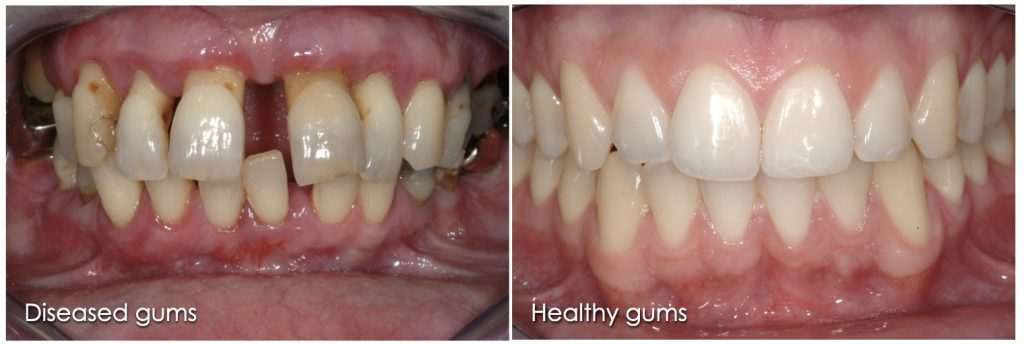
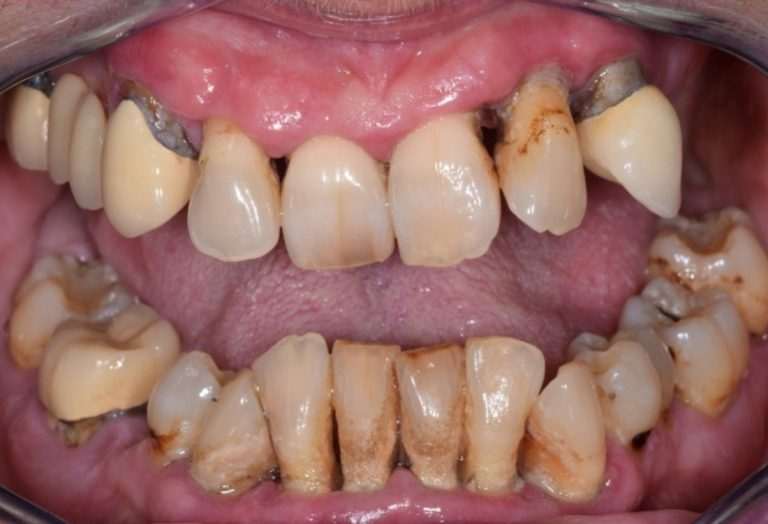
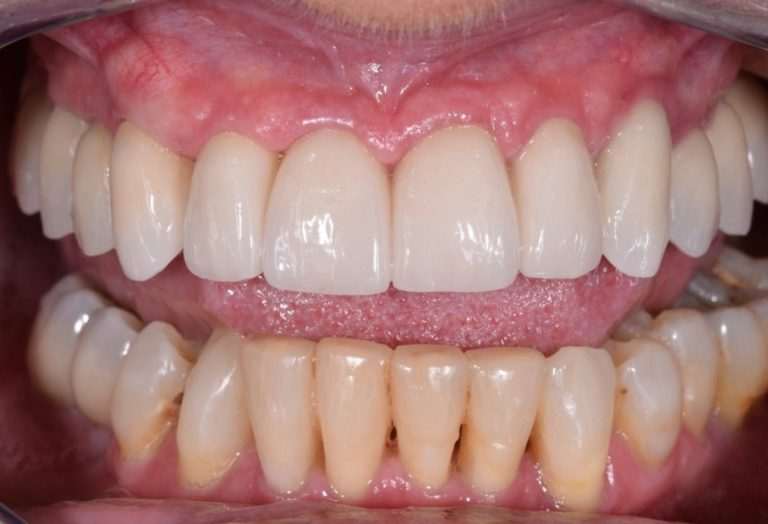
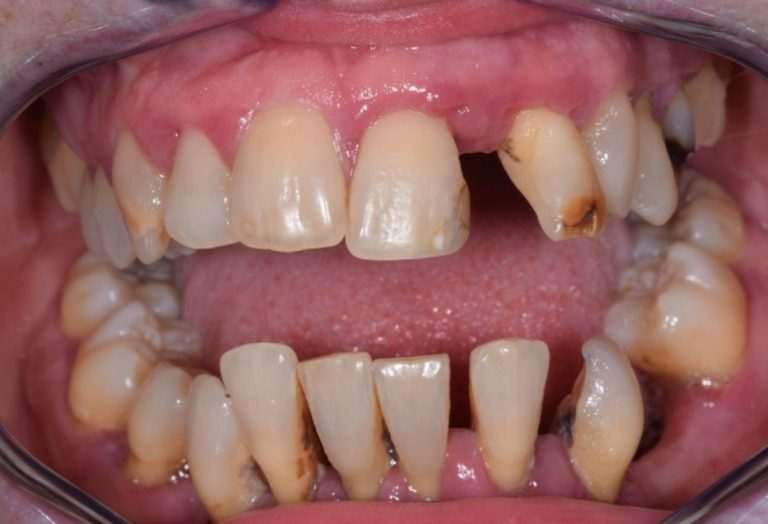
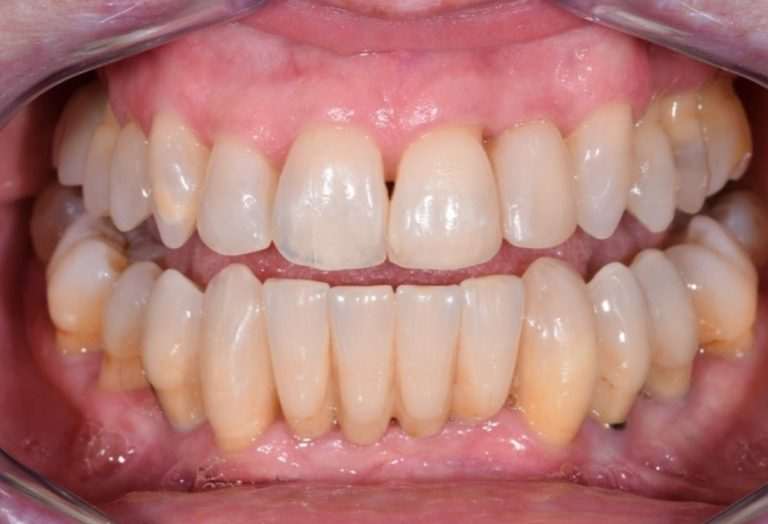
Research has also found a strong connection between gum disease and serious health risks such as heart disease, lung disease, Alzheimer’s disease and diabetes. The World Health Organisation (WHO) says that periodontal disease is a widespread health problem estimated to affect up to half of the adult population. The disease destroys the healthy gum attachment to the roots of the teeth, leading to gum infection, gum recession, bone loss around the teeth and halitosis as well as making gums bleed excessively. If untreated, you can easily make severe gum disease even worse, which will lead to tooth loosening, drifting and tooth loss.
HOW TO PREVENT BLEEDING GUMS
Because the cause of bleeding gums is usually poor oral hygiene, making a conscious effort early on to improve your oral hygiene habits can help restore your gums to full health quickly – if they’re not too far gone – and stop bleeding gums (more on that in a moment).
Brushing your teeth two to three times a day is an absolute must and is the foundation of good oral hygiene if you don’t want to develop gum disease.
Beyond this, regular flossing, or interdental cleaning, using antibacterial mouthwash, and avoiding gum-damaging habits (like smoking) will all help greatly to improve your oral hygiene levels and prevent gums bleeding. The important thing is to never ignore bleeding gums as they will likely be a sign of underlying conditions. If your gums are bleeding excessively, you could be suffering from advanced gum disease, in which case you should speak to a dental professional as soon as possible.
CONDITIONS THAT CAUSE BLEEDING GUMS
The main cause of bleeding gums is inadequate oral hygiene and gum disease. Early gum disease or ‘gingivitis’ causes gums to bleed when brushing and people often make the mistake of brushing less because they are worried they may be causing their gums to bleed… this is very unlikely and the best thing is to actually brush more and better! It sounds counter-intuitive, but the bleeding is caused by the toxins produced bacteria in the dental plaque that grows on your teeth and gums. By brushing and cleaning your teeth properly, you remove the plaque and that allows the gums to heal. Of course it’s also sensible to book in with the dentist to have your gums checked and treated if necessary.
Hormonal changes & pregnancy
It’s common during pregnancy the see some bleeding from your gums. Hormonal changes can make your gums more susceptible to inflammation and bleeding. It’s important to maintain really good oral hygiene to help keep your gums healthy during pregnancy and menopause.
Medical conditions
Some medical conditions such as Diabetes, auto-immune conditions and people that are immunocompromised increase the susceptibility to gum disease and bleeding gums. It’s really important to maintain optimum oral hygiene and dental care if you are medically more susceptible to gum disease. Vitamin deficiencies such as vitamin D deficiency are also linked to gum disease so it’s important to have a healthy diet and take vitamin supplements if necessary.
Smoking
While smoking doesn’t make your gums bleed, it does significantly increase the susceptibility to gum disease as well as the damage done by the disease. We would strongly advise anyone to quit smoking in order to maintain their oral health as well as their general health.
Stress
Heightened stress levels have been linked to inflammation in the body, and when the gums become inflamed they’re far more likely to bleed with even the lightest pressure. Similarly periodontal disease can progress ore rapidly as a result of the physiological effects of stress.
However, it is important to remember that most cases of bleeding gums are as a result of inadequate oral hygiene and removal of dental plaque. This is why it is imperative to always have good home dental care and to visit your dentist regularly for regular checkup and hygienist visits. But if you’ve noticed persistent bleeding gums, it’s time to seek the advice of a specialist, like the experts at The Windsor Centre for Advanced Dentistry.
WHAT IF MY BLEEDING GUMS NEED SERIOUS TREATMENT?
It’s best to seek expert advice as gum disease or periodontal disease can be well treated today. With the correct treatment it should be possible to eradicate the disease and get your gums healthy again. In cases where the disease is more advanced you may need treatments including deep cleaning, antibiotic therapy, gum surgery, orthodontics and possibly some dental implants.
If you’re concerned about your bleeding gums, speak to the team at the Windsor Centre for Advanced Dentistry. A examination will soon determine the level of periodontal treatment you require, if any, and set your mind at ease.